आज की tech दुनिया में सबसे ज्यादा पूछे जाने वाले सवालों में से एक है — IoT kya hai और ये हमारी daily life को कैसे बदल रहा है। अगर आपने कभी Smart Bulb, Smart Watch, Alexa Device, या Smart AC देखा है, तो आप बिना जाने Internet of Things (IoT) का उपयोग कर चुके हैं।
इस Full Hindi Tutorial Guide में हम IoT की Meaning, Working Process, Components, Applications, Future Scope, Career Options और सीखने का Roadmap आसान भाषा में समझेंगे।
IoT क्या है (What is IoT in Hindi) ?
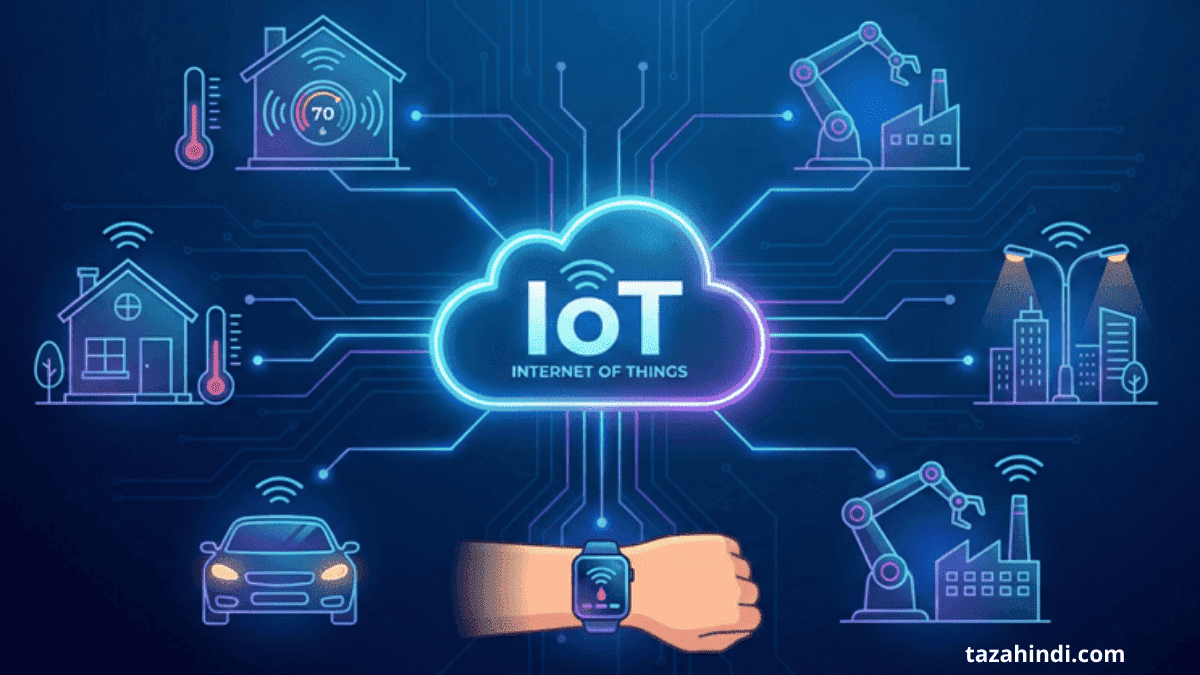
IoT (Internet of Things) का simple मतलब है — Internet से connected physical devices जो आपस में data share और receive करते हैं।
यानी आपके घर में मौजूद Smart Bulb, Mobile, Smart TV, AC, Smart Watch, CCTV Camera, Refrigerator — अगर ये internet से connected हैं और एक-दूसरे से communication कर सकते हैं, तो ये सभी IoT devices हैं।
आईओटी का इतिहास (History of IoT in Hindi)
IoT का इतिहास 1980 के दशक से शुरू होता है, जब पहली बार researchers ने ऐसे उपकरणों के बारे में सोचा जो internet से जुड़कर अपने-आप data भेज सकें। 1990 में John Romkey ने दुनिया का पहला IoT device बनाया—एक Internet-connected toaster।
इसके बाद 1999 में Kevin Ashton ने “Internet of Things” शब्द का उपयोग किया, जिससे यह तकनीक दुनिया भर में लोकप्रिय होने लगी।
2000 के बाद से sensors, wireless networks, और low-cost microchips के विकास ने IoT को तेज़ी से बढ़ने का मौका दिया। आज IoT का इतिहास करोड़ों connected devices से बन रहा है जो अपने-आप communicate करते हैं और हमारे घरों, industries, cities और healthcare systems को स्मार्ट बना रहे हैं।
IoT कैसे काम करता है (How IoT Works in Hindi) ?
IoT का working process 5 simple steps में समझें:
1. Sensors (Data Collect करते हैं)
Device में लगा sensor temperature, motion, humidity, light, health metrics आदि data collect करता है।
2. Connectivity (Devices Internet से जुड़ते हैं)
Devices Wi-Fi, Bluetooth, Zigbee, LoRaWAN, या 4G/5G network से connect होते हैं।
3. Processing (Local या Cloud में data process होता है)
Data या तो device के अंदर (Local/Edge Computing) process होता है, या Cloud में upload होकर refine किया जाता है।
4. Data Analytics (System intelligent actions decide करता है)
Cloud platform data analyze करके useful insights generate करता है।
5. Action (Device खुद automatic काम करता है)
जैसे —
- Room गर्म है → AC खुद ON
- Light कम है → Smart bulb brighten
- Smart watch → Heart rate abnormal होने पर alert send
यानी IoT अपने आप सोचकर काम करता है।
IoT के मुख्य घटक (Components of IoT in Hindi)
1. Sensors
Temperature, humidity, motion, GPS, pressure, camera sensors — ये environmental data collect करते हैं।
2. Microcontrollers / Processors
Arduino, Raspberry Pi, ESP8266, ESP32 जैसे boards processing का main brain होते हैं।
3. Connectivity Modules
Wi-Fi, BLE, ZigBee, LoRaWAN module device को internet से जोड़ते हैं।
4. Gateways
Multiple IoT devices का data cloud तक पहुंचाने का काम करते हैं।
5. Cloud Platform
AWS IoT, Azure IoT, Google Cloud IoT — यहां data store और analyze होता है।
6. User Interface (App / Dashboard)
Mobile apps और web dashboards द्वारा users device को control करते हैं (जैसे Mi Home, Alexa app)।
ये भी पढ़ें : Computer Fundamentals Notes in Hindi – Zero से Pro तक Simple Guide
आईओटी की विशेषताएं (Characteristics of IoT in Hindi)
- Connectivity (कनेक्टिविटी) – IoT devices एक-दूसरे से और इंटरनेट से लगातार जुड़े रहते हैं ताकि real-time data share कर सकें।
- Automation (ऑटोमेशन) – IoT सिस्टम बिना human intervention के अपने-आप काम कर सकते हैं, जैसे smart lights का अपने-आप on/off होना।
- Sensing Ability (सेंसिंग क्षमता) – IoT devices में sensors होते हैं जो temperature, motion, humidity, pressure जैसे data को detect करते हैं।
- Real-Time Operation (रीयल–टाइम काम करना) – IoT devices तुरंत data collect और transmit करते हैं, जिससे जल्दी decisions लिए जा सकें।
- Scalability (स्केलेबिलिटी) – IoT नेटवर्क में नए devices आसानी से जोड़े जा सकते हैं, यह छोटे घरों से लेकर बड़ी industries तक स्केल हो सकता है।
- Remote Accessibility (दूर से नियंत्रण) – IoT devices को दुनिया में कहीं से भी मोबाइल या इंटरनेट के जरिए control किया जा सकता है।
- Data Analytics (डाटा विश्लेषण) – IoT systems बड़ी मात्रा में data produce करते हैं जिसे analyze करके बेहतर decisions लिए जा सकते हैं।
- Energy Efficiency (ऊर्जा दक्षता) – Smart IoT devices कम बिजली का उपयोग करते हैं और energy consumption को optimize करते हैं।
- Integration with Technologies (अन्य तकनीकों के साथ इंटीग्रेशन) – IoT AI, Cloud Computing, Machine Learning, Big Data जैसी technologies के साथ मिलकर और powerful बनता है।
- Security & Safety (सुरक्षा और सेफ्टी फीचर्स) – Modern IoT devices में encryption, authentication और alerts जैसी सुरक्षा सुविधाएं होती हैं।
इंटरनेट ऑफ थिंग्स के फायदे (Advantages of IoT in Hindi)
1. समय की बचत (Time Saving)
IoT devices कई काम अपने-आप कर देते हैं, जैसे—smart lights का off/on होना, automatic AC temperature control आदि। इससे समय और मेहनत दोनों की बचत होती है।
2. बेहतर कनेक्टिविटी (Improved Connectivity)
सभी IoT devices इंटरनेट से जुड़े रहते हैं, जिससे आप घर, ऑफिस, फैक्ट्री या गाड़ियों को कहीं से भी control कर सकते हैं।
3. ऑटोमेशन से सुविधाएँ बढ़ती हैं (Automation Makes Life Easier)
IoT automation के जरिए घर को स्मार्ट बनाया जा सकता है—जैसे स्मार्ट डोर लॉक, स्मार्ट CCTV, स्मार्ट होम appliances आदि।
4. कुशल कार्यप्रणाली (Efficient Operation)
IoT systems real-time data के आधार पर निर्णय लेते हैं, जिससे machines और प्रक्रिया (process) अधिक smart और efficient बनती हैं।
5. लागत में कमी (Cost Reduction)
Energy-efficient IoT devices बिजली कम खर्च करते हैं। Industries में IoT मशीनों की maintenance cost भी कम करता है।
6. सुरक्षा में सुधार (Improved Safety & Security)
IoT security और surveillance devices जैसे CCTV, motion sensors, fire alarms आदि से सुरक्षा का स्तर बेहतर हो जाता है।
7. बेहतर डेटा विश्लेषण (Enhanced Data Analysis)
IoT devices बड़ी मात्रा में डेटा इकट्ठा करते हैं जिससे बेहतर decisions लिए जा सकते हैं—healthcare, agriculture, transport हर क्षेत्र में।
8. हेल्थकेयर में क्रांति (Revolution in Healthcare)
Wearable IoT devices (smartwatch, fitness tracker) health monitoring आसान बनाते हैं—BP, Heart Rate, Oxygen आदि का live data मिलता है।
ये भी पढ़ें : Top 30 Computer Skills List 2025 in Hindi
इंटरनेट ऑफ थिंग्स के नुकसान (Disadvantages of IoT in Hindi)
1. सुरक्षा जोखिम (Security Risks)
IoT devices इंटरनेट पर चलते हैं, इसलिए hacking, data leak, privacy issues होने का खतरा हमेशा रहता है।
2. इंटरनेट पर निर्भरता (High Dependency on Internet)
IoT devices बिना इंटरनेट के काम नहीं करते। Network slow या down होने पर कई functions रुक जाते हैं।
3. उच्च लागत (High Initial Cost)
IoT devices और systems को install करने में शुरुआती cost काफी अधिक होती है।
4. जटिल सिस्टम (Complex System)
बहुत सारे IoT devices को manage करना काफी complex हो सकता है, खासकर industries के लिए।
5. Maintenance Issues (रखरखाव की परेशानी)
IoT devices को लगातार अपडेट, battery replacement, connectivity check की जरूरत होती है।
6. Privacy Concerns (गोपनीयता का खतरा)
IoT devices लगातार data collect करते हैं—location, habits, voice recordings आदि। इससे privacy खतरे में पड़ सकती है।
7. Skill Requirement (विशेष कौशल की आवश्यकता)
IoT को manage करने, maintain करने और troubleshoot करने के लिए trained professionals की जरूरत होती है।
8. Data Overload (अधिक डेटा का बोझ)
IoT devices बहुत ज्यादा data produce करते हैं। इस data को store और analyze करना कई बार मुश्किल हो जाता है।
IoT Connectivity & Protocols
| Protocol/ Connectivity | Range | Best Use |
| Wi-Fi | Medium | Smart Home Devices |
| Bluetooth/ BLE | Short | Wearables, Fitness Bands |
| ZigBee | Short | Smart Lighting |
| LoRaWAN | Long | Agriculture, Smart city |
| NB-IoT | Very Long | Smart Meters |
| 4G/5G Cellular | Long | Industrial IoT, Cars |
हर connectivity का use-case अलग होता है।
ये भी पढ़ें : Best Computer Courses after 12th – High Salary वाले Top Career Options 2025
IoT Architecture — Edge vs Cloud Processing
IoT architecture 4 मुख्य layers में divided है:
1. Device Layer
डिवाइसेज़ sensors से data collect करते हैं।
2. Edge Layer (Local Processing)
कुछ data वहीं device के पास process हो जाता है — fast response के लिए।
3. Cloud Layer
ज्यादातर data cloud server पर भेजा जाता है जहां storage + analytics किया जाता है।
4. Application Layer
User को app या dashboard में information दिखाई देती है।
IoT Applications in Daily Life (Use Cases)
1. Smart Home
- Smart Bulb
- Smart AC
- Smart Locks
- Smart Security Cameras
- Alexa and Google Home
ये devices voice commands और automation use करते हैं।
2. Healthcare IoT
- Smart Watch (Heart rate, Oxygen monitoring)
- Remote Patient Monitoring
- Smart Glucometer
3. Smart Agriculture
- Soil moisture sensors
- Smart irrigation
- Weather monitoring
4. Smart Cities
- Traffic monitoring
- Automated street lights
- Waste management systems
5. Logistics & Transport
- Fleet tracking
- Fuel monitoring
- Smart navigation tools
6. Retail IoT
- Smart shelves
- Automated checkouts
IoT का future सबसे तेजी से इन sectors में बढ़ रहा है।
Industrial IoT (IIoT) — Industry 4.0 Use Cases
Industrial IoT manufacturing and factories में automation बढ़ाता है।
Major Use Cases
- Predictive Maintenance
- Smart Factories
- Robotics & Automation
- Energy Optimization
- Asset Tracking
- Industrial Sensors Network
IIoT manufacturing cost कम करता है और efficiency बढ़ाता है।
IoT Devices Examples (Beginner-friendly list)
IoT के कुछ popular devices:
- Smart Light Bulbs
- Smart Speakers (Alexa, Google Home)
- Smart Watch / Fitness Bands
- Smart Security Cameras
- Raspberry Pi based sensors
- ESP8266/ESP32 DIY IoT kits
- Smart TV
- Smart Refrigerator
- Smart Water Meters
Data, Privacy & Security Challenges in IoT
IoT में security सबसे बड़ा concern है क्योंकि devices हमेशा internet से जुड़े रहते हैं।
Common Threats
- Weak password
- Unsecured network
- Data leakage
- Malware attack
Security Practices
- Strong encryption
- Secure boot
- Firmware updates
- Two-factor authentication
- Network segmentation
IoT Future Scope & Trends (2025+)
2025 के बाद IoT में rapid growth आने की उम्मीद है।
Major upcoming trends:
- AI + IoT (AIoT)
- 5G-enabled IoT
- Smart Cities Project Expansion in India
- Self-driving cars
- Smart industrial automation
- Healthcare IoT growth (elder care devices)
IoT का future बहुत bright है और हर industry में इसकी demand बढ़ रही है।
IoT Career in India — Roles, Skills & Salary Expectations
Popular Job Roles
- IoT Developer
- Embedded Systems Engineer
- Hardware Design Engineer
- IoT Cloud Engineer
- Data Analyst (IoT Data)
- IoT Security Specialist
- Firmware Developer
Required Skills
- C / C++
- Python
- Embedded Linux
- MQTT Protocol
- Cloud (AWS IoT, Azure IoT)
- Basic Electronics & Sensors
- Networking basics
Salary Range (India)
| Level | Salary (Approx) |
| Fresher | ₹3,00,000 – ₹6,00,000 yearly |
| Mid-level | ₹8,00,000 – ₹15,00,000 yearly |
| Senior | ₹15,00,000 – ₹30,00,000 yearly |
IoT में skillful candidates की भारी demand है।
ये भी पढ़ें : Pradhan Mantri Fasal Bima Yojana (PMFBY) 2025: किसानों के लिए पूरी जानकारी
How to Start Learning IoT – Practical Roadmap (for Students)
0–3 Months: Basics
- Learn basic electronics
- Learn Python
- Learn Arduino basics
- Build small projects
3–6 Months: Advanced Level
- Learn ESP32/Raspberry Pi
- Learn Wi-Fi, BLE, MQTT
- Practice cloud IoT services
- Build complete IoT system (sensor → cloud → dashboard)
6+ Months: Professional Level
- Learn embedded C
- PCB designing
- Machine learning basics (for IoT)
- Create portfolio projects
Top Books & Online Courses for IoT
Books
- Internet of Things: A Hands-on Approach
- Designing the Internet of Things
- Mastering IoT
- Fundamentals of IoT
Courses
- Coursera: IoT Fundamentals
- Udemy: ESP32 IoT Development
- NPTEL: IoT Basics (Indian Government Initiative)
IoT Video Tutorial: आसान भाषा में पूरी जानकारी देखें
अगर आप IoT क्या है, यह कैसे काम करता है, इसके real-life uses और future scope को और अच्छी तरह समझना चाहते हैं, तो नीचे दिया गया यह आसान और शॉर्ट वीडियो Tutorial ज़रूर देखें। इस वीडियो में IoT को simple examples के साथ explain किया गया है, जिससे beginners भी आसानी से समझ पाएंगे।
निष्कर्ष (Conclusion)
इस detailed guide में आपने सीखा कि IoT kya hai, कैसे काम करता है, इसके components, applications, career scope, और सीखने का roadmap क्या है। 2025 और आने वाले सालों में IoT दुनिया को Smart Homes, Smart Cities और Automation की ओर ले जाने वाला सबसे powerful technology बनेगा। यदि आप tech या engineering background से हैं, तो IoT आपके लिए एक promising career option है।
FAQs
Q1. IoT kya hota hai?
Ans. IoT यानी Internet से connected devices जो data share करते हैं।
Q2. IoT कहाँ use होता है?
Ans. Smart Homes, Healthcare, Agriculture, Smart Cities, Industries, Retail, Cars आदि में।
Q3. IoT सीखने के लिए कौनसी language जरूरी है?
Ans. Python, C, C++, Embedded C.
Q4. IoT और IIoT में क्या अंतर है?
Ans. IoT घर/consumer devices के लिए होता है, जबकि IIoT industries में automation के लिए।
Q5. IoT future कैसा है?
Ans. 2025 के बाद IoT सबसे तेजी से grow होने वाला tech sector है।
Q6. IoT career के लिए कौनसा course करें?
Ans. Arduino + Python basics से शुरुआत कर सकते हैं, फिर Cloud IoT और Embedded सीखें।